
Animal traces in John Berger’s work
* Version française ci-dessous *
“Do you know what I watch?” is a choral reading devised by Katya Berger-Andreadakis. It will be read in several places by Katya, Jacob and Yves Berger, John Berger’s children. A family contribution to this centenary.
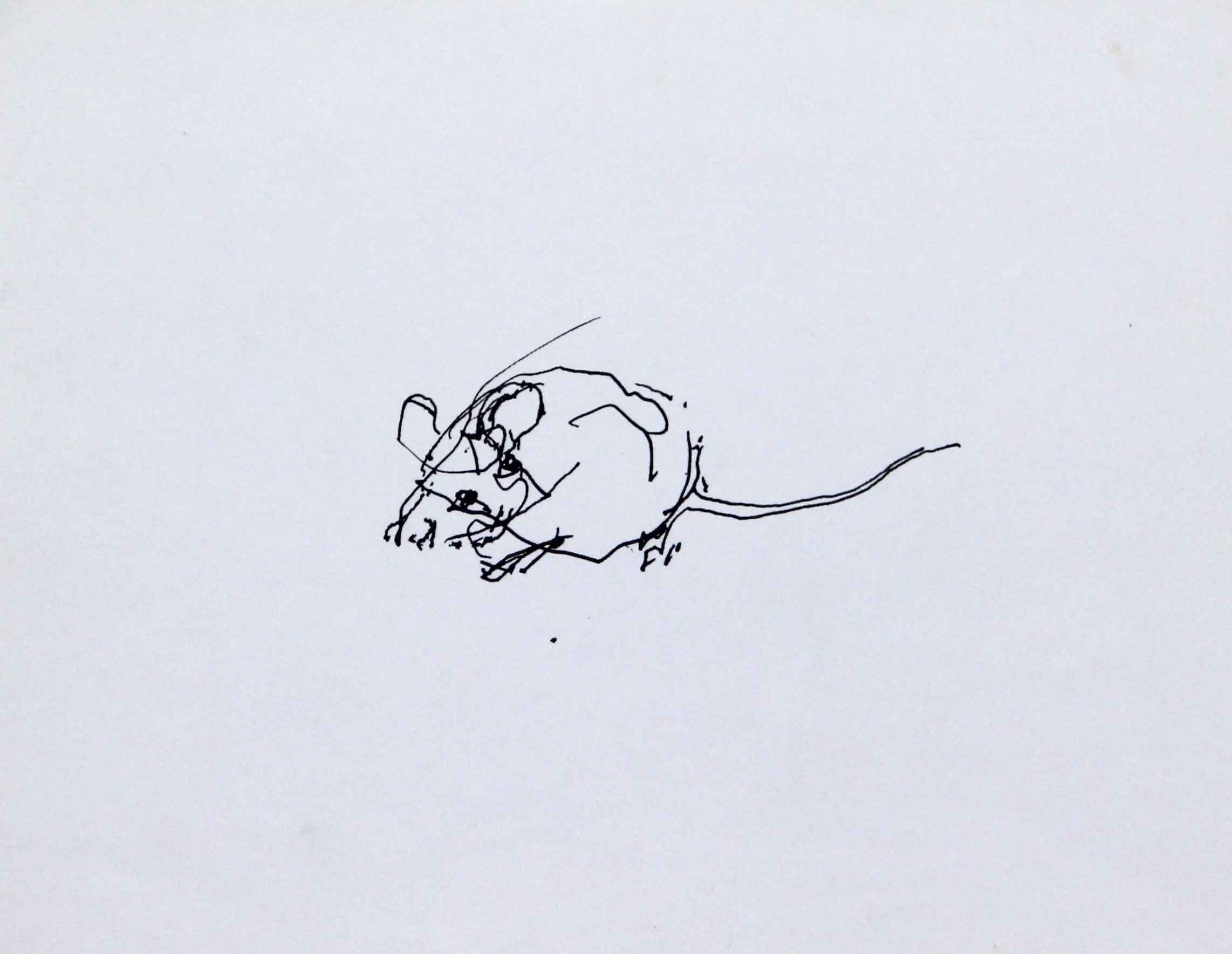
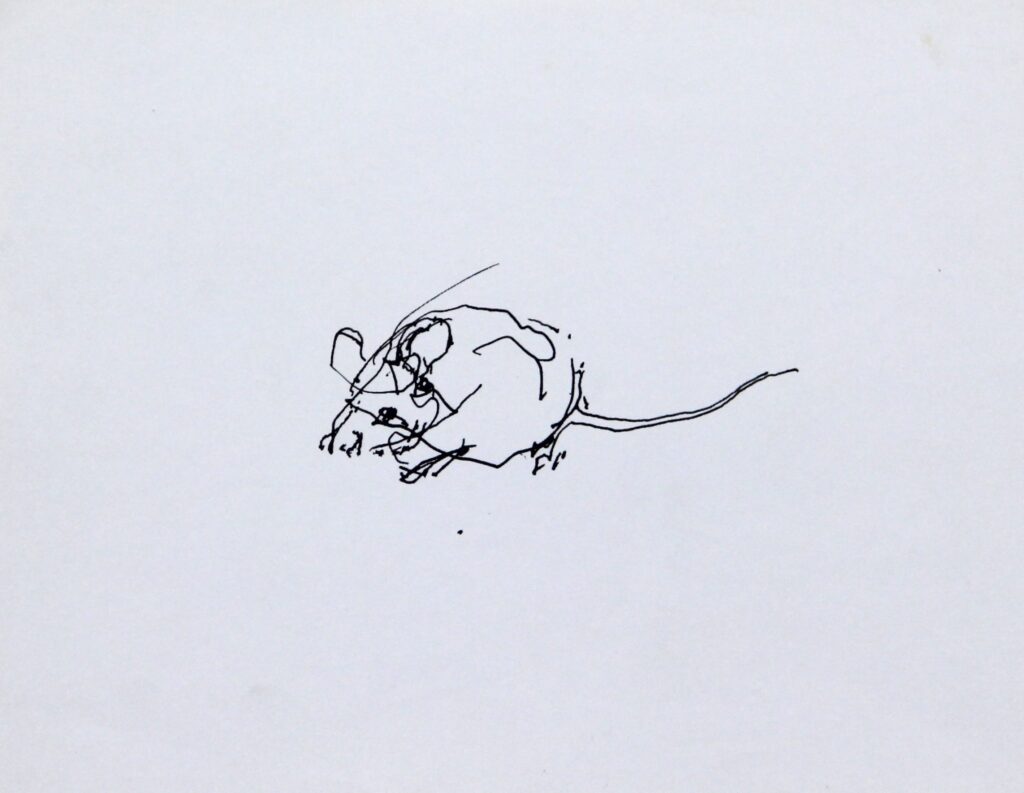
There is hardly any book of John Berger’s that doesn’t include a few pages about animals. Both as a writer and as a visual artist, some of his most vivid insights concern non-human living things, ranging from mushrooms to eels, from insects to hounds. His lifelong reflection on the relationship between man and nature led him to listen, ever so carefully but without an ounce of anthropomorphism, to the voices of countless speechless creatures – that finally extended all the way to clouds or biological cells.
While animal life has become a major topic within Western society, our reading “Do you know what I watch?” aims both at paying a tribute to John on his 100th birthday and at defeating any attempt to oversimplify his thought in present times. est une lecture familiale pour célébrer le centenaire, elle sera donnée dans plusieurs lieux.
- 15/08 Vevey (CH) at La Cour de l’Avenir with Katya and Jacob*. More info
- 27/08 Chasselas (FR) at La Manufacture d’Idées with Katya and Yves*. More info
- 28/08 Quincy (FR) with Katya, Jacob and Yves*.
- 23/10 London (UK) at the British Library with Katya and Yves. More info and buy tickets
- 24/10 Norwich (UK) at the Norfolk Contemporary Art Society with Katya and Yves. More info
- 7/11 Lausanne (CH) at Théâtre Vidy with Katya, Jacob and Yves*. More info
- 28/11 Istanbul (TR) with Katya, Jacob and Yves.
Readings in English.
* Readings in French.
TU SAIS CE QUE JE REGARDE ?
TRACES ANIMALES DANS L’ŒUVRE DE JOHN BERGER
« Tu sais ce que je regarde? » est une lecture chorale d’un collage de textes par Katya Berger-Andreadakis. Il sera lu dans plusieurs lieux (voir ci-dessus) par Katya, Jacob et Yves Berger, les enfants de John Berger. Une contribution familiale à ce centenaire.
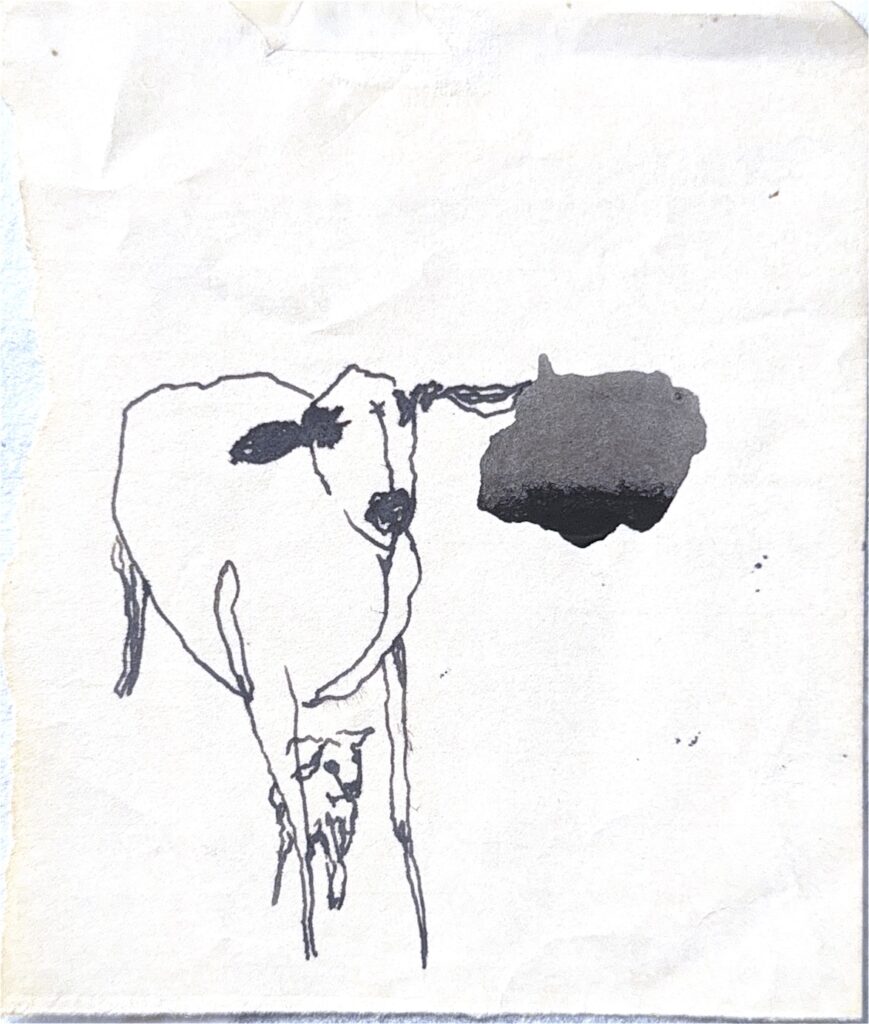
Les animaux traversent de long en large l’oeuvre de John Berger (1926-2017). Pas un seul de ses livres qui ne leur consacre ne serait-ce qu’une petite volée de pages. Dans sa production aussi bien d’écrivain que d’artiste visuel, ses images parmi les plus saisissantes concernent le règne du non-humain, couvrant de l’écureuil à l’anguille, du ver au chaton.
Une réflexion ininterrompue sur les rapports entre l’homme et la nature à travers l’histoire l’a amené à relayer sans mièvrerie la voix d’une infinité d’espèces inaudibles, jusqu’à y inclure peu à peu nuages, melons ou cellules nerveuses.
Alors que nos sociétés occidentales prêtent aujourd’hui une attention redoublée à tous les vivants qui peuplent la biosphère, notre lecture « Tu sais ce que je regarde? » entend à la fois célébrer le 100e anniversaire de John Berger et résister contre toute simplification excessive tant de son regard sur le monde que du monde lui-même.